
The WinMagic Toys Age-Appropriate Toy Buying Guide: A Parent's Journey to Choosing the Right Toy at the Right Time.
Why We're Even Talking About This?
Here's the truth: you've probably stood in a toy aisle (or scrolled through an online store at 11 PM) wondering, "Will my kid actually play with this? Is this too much? Too little? Will it survive the week?" Toys aren't just things kids play with; they are tiny teachers.
When you hand your child a toy that matches their developmental stage, something truly magical happens. They're engaged, they feel clever, and they build confidence. But when it’s wrong? Frustration and boredom. Age grading isn't about being restrictive; it's about being smart. It's about meeting your child where they are and giving them the exact right challenge to grow.
The Real Cost of Getting It Wrong
Before we dive into what works, let's talk about what doesn't:
•Too advanced? Your toddler throws it down in frustration. They learn "I can't do this." That stings more than any parent is willing to admit.
•Too easy? They lose interest in minutes as boredom sets in fast with kids.
•Too mature? Themes about beauty, popularity, or aggression creep in before your child is ready to process them.
•Too much stimulation? Their little brains get overwhelmed & imagination takes a backseat.
The good news? This guide will help you skip the guesswork!
The Age-by-Age Breakdown
0–1 Years: The Sensory Explorers
Your baby is discovering everything. Textures, sounds, cause and effect. What works:
•Soft toys and rattles
•High-contrast visuals (black and white patterns = infant gold)
•Sensory textures (crinkly, squishy, smooth)
•Simple grasp-and-hold items
What's happening: Your baby's strengthening their sensory awareness, building that parent-child bond, and developing early motor skills. This is foundational stuff. Just get safety-certified soft toys and rattles. Keep it simple. Keep it clean. Your baby is the star here.
1–2 Years: The Builders & Explorers
Now they're mobile. Everything is a learning opportunity. They're figuring out how the world works, one push and pull at a time. What works:
•Push-pull toys (they love the satisfaction of making something move)
•Large blocks (no choking hazards, lots of tumbling fun)
•Stacking toys (messy, loud, brilliant for brain development)
•Shape sorters (logic in disguise)
•Simple musical toys (because why wouldn't they love noise?)
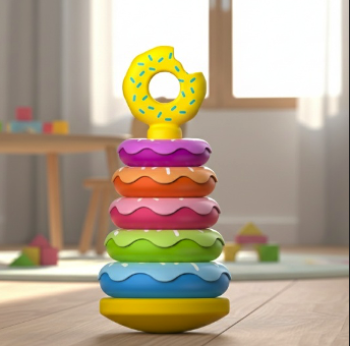
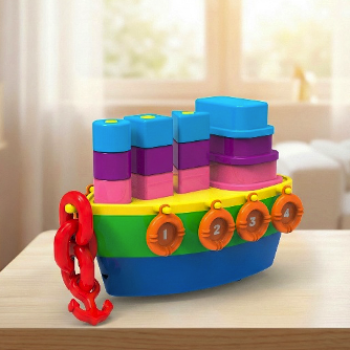
What's happening: Motor skills are starting to come in. They're starting to understand cause and effect. The range of Li'l Wizards Developmental Toys is thoughtfully designed for this age group. The Doughnut Stacker, 7-in-1 ship station, and Nesting Stacker with a peekaboo feature are perfect for this exact age group; they balance safety with real developmental challenges.
2–3 Years: The Imagination Begins
Watch what happens around age 2. Suddenly, a block is a phone. A spoon is a microphone. Imagination has entered the chat. What works:
Imagination development and active explore the outdoors
Simple puzzles (3-4 pieces, nice big handles)
Larger vehicles and beginner ride-ons
Water and sand play (messy = learning)
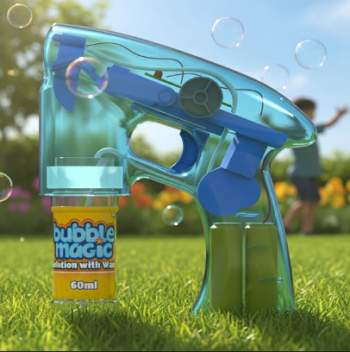
Bubble Magic Light Up Electronic Bubble Blaster
What's happening:
Language is exploding. They're thinking independently for the first time. They're starting to understand stories. Pro tip: This is when Bubble Magic becomes their new best friend. Bubbles are pure sensory joy at this age:
movement, colors, and cause-and-effect magic. It's simple, it works, and honestly, it entertains parents, too.
3–5 Years: The Social Learners (Preschool Magic)
This is the sweet spot for pretend play. Your child is building friendships, understanding emotions, and developing their sense of self. What works:
1. Early construction toys (building = problem-solving)
2. Age-appropriate dolls (emotional learning through play)
3. Art and craft kits (creativity without pressure)
4. Beginner board games (Rules! Turns! Social skills!)
What's happening: Storytelling becomes their superpower. They're learning empathy by caring for dolls. They're starting to understand fairness and turns. Identity is forming.
Pretend play boosters like dolls and playsets such as the Li'l Diva range of preschool dolls is perfect for this age. At this age, it's not about beauty & career; it's about empathy, nurturing behaviour, and identity. When a child sees themselves reflected in their toys, something shifts. They sit a little taller. They feel seen. 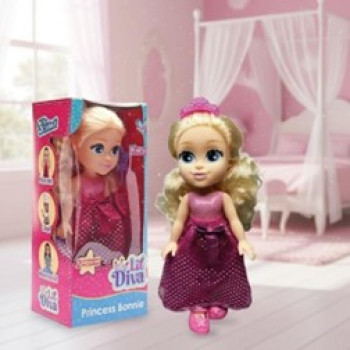
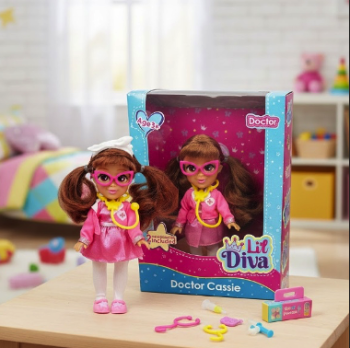
Li'l Diva Princess Bonnie Li'l Diva Doctor Cassie
Also, perfect right now: Licensed characters like Peppa Pig, Paw Patrol, and Minnie Mouse. Your child
loves these characters, and honestly? Using that connection to encourage imaginative play is smart parenting. They'll act out stories, develop social understanding, and have a blast doing it.
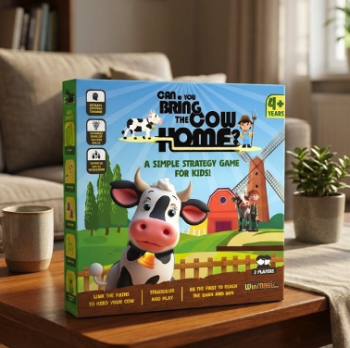
Board games for beginners:
WinMagic Games makes games designed for this exact age simple rules, quick rounds, real learning happening under the fun.
5–7 Years: The Builders of Worlds
School has started. Friendships matter more. They want to feel competent. They're hungry to understand how things work. What works:
1. Construction toys with more complexity (they can follow multi-step instructions now)
2. STEM kits (magnets, circuits, science basics nothing too hardcore)
3. Strategy board games (chess alternatives, logic games)
4.Sports sets (they want to do things now)
What's happening: Structured thinking is developing. They're experimenting more boldly. Teamwork is becoming real to them. Activity and brain tickling activities like BrainActiv Ultimate Activity Kits. These aren't baby toys anymore; they're tools for deeper exploration.
WinMagic Games levels up here too, with games that teach strategy without feeling like homework.
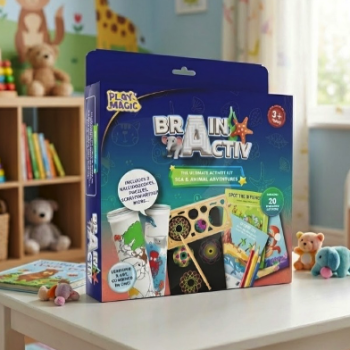
PlayMagic BrainActiv Ultimate Activity Kit- Sea & Animal Adventure
7–10 Years: The Creators & Collectors
This is when you see real identity forming. They have preferences. Strong ones. They want to be good at things. What works:
1. Advanced STEM and craft sets (robotics, coding kits, DIY projects)
2. Fashion design kits (identity exploration is real)
3. Logic games and detailed puzzles.
4. Age-appropriate action toys and collectibles.
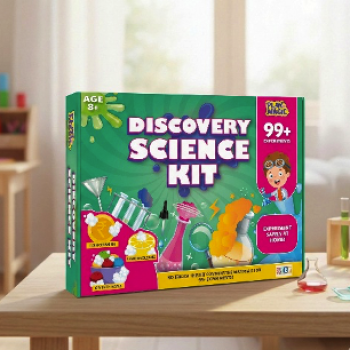
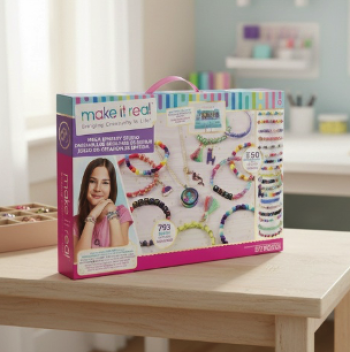
PlayMagic Discovery Science Kit Make It Real - Mega Jewellery Studio
What's happening: Persistence is building. They're comfortable failing and trying again. Problem-solving is becoming a strength. They are starting to see themselves as creative people. This is the perfect moment for: Make It Real, Paw Patrol and Minnie Mouse merchandise at this level items they can collect, display, and feel prou d of.
10+ Years: The Builders of Skills
They're becoming their own person. They want real challenges. They want to feel like they're working toward actual competence. What works:
1. Robotics and coding kits (this is real)
2. Professional-level craft sets
3. Advanced sports gear
4. Collectible dolls, model sets, and designer toys
What's happening: Independence is in full force. They're developing real-world skills. Deep creative exploration is happening. Here's where it gets cool: Licensed toys at this level (like collector editions) become about fandom, creativity, and identity. They're not "outgrowing" their interests; they're deepening them.
The Parent's Reality Check
Let's be honest, sometimes your child will love a toy you didn't expect. Sometimes they'll ignore the "perfect" toy. That's okay. These aren't rules; they're guidelines.
But here's what the research shows: when you choose toys aligned with your child's developmental stage, the magic happens:
They play longer.
They're more engaged.
They learn without knowing they're learning.
Frustration drops.
Confidence builds.
The 5-Step Checklist (Keep This Handy)
Before you buy any toy, ask yourself:
1. Does it match the age recommendation?
It's based on development and safety, not marketing hype.
2. Is the packaging honest about what's inside?
Read the features. Know what you're getting.
3. Is it from a credible brand?
Brands like WinMagic, Li'l Diva, Li'l Wizards, Play Magic, and Bubble Magic follow safety standards (BIS, ASTM, EN-71). It matters.
4. Are there genuine safety markings?
BIS mark, non-toxic label, and age warnings. Don't skip this.
5. Will it spark something?
Imagination? Problem-solving? Movement? Connection? If yes, you've found it.
Why Representation Actually Matters
Here's something that doesn't get talked about enough: when a toy reflects your child's skin tone, culture, and everyday life, it sends a message. "You matter. Your story deserves to be told. You belong here." This isn't fluffy talk. This is psychology. Kids who see themselves in their toys develop stronger self-worth, deeper empathy, and richer imaginative play.
That's why brands like Li'l Diva (with diverse representation baked in) and licensed characters like Peppa Pig (which celebrates all kinds of families) matter more than you might think.
The One Thing to Remember
Not every great toy is great right now. At the right age, a toy builds confidence, curiosity, emotional resilience, and problem-solving skills. At the wrong age, that same toy creates frustration, boredom, or overwhelm. Your job isn't to buy the most expensive toy or the one everyone else is getting. Your job is to choose the one that meets your child where they are right now. And honestly? That's the best parenting move you can make.
Happy playing. You've got this. ●◎’" ´
